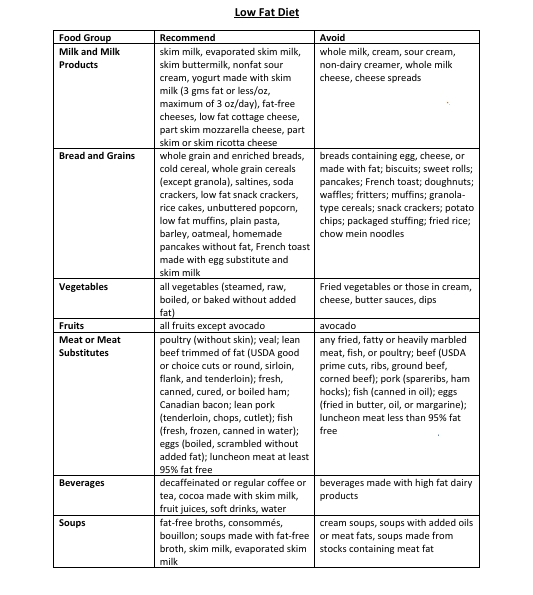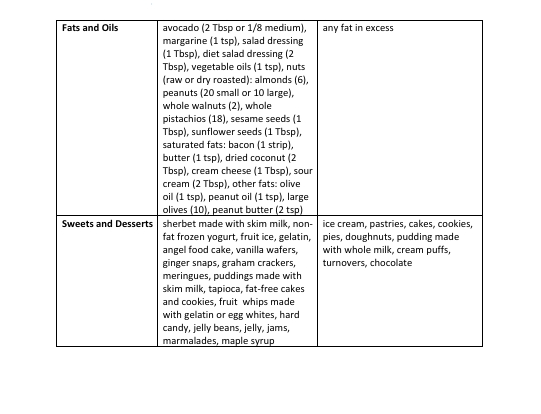
Low-fat diet?
A review in the New England Journal of Medicine describes low-fat diets as those providing less than 30% of total daily energy intake
Some other science-based reviews define A very low-fat diet as one in which ≤15% of total calories are derived from fat
The nutrient adequacy of very low-fat diets is highly dependent on individual food choices or more recent varieties of fat-free and low-fat alternatives to traditionally high-fat foods, such as snacks and desserts. Very low-fat diets include nutrient-dense foods such as fruits, vegetables, whole grains, and low-fat or fat-free dairy products.
What Happens to the Fat You Eat? (The Truth About Body Fat)”
Dietary fat is the one we consume. What we eat is actually dietary fat.
Body fat is the fat that is inside our bodies. It can be on the surface, it can be inside our body, and it can be around our internal organs.
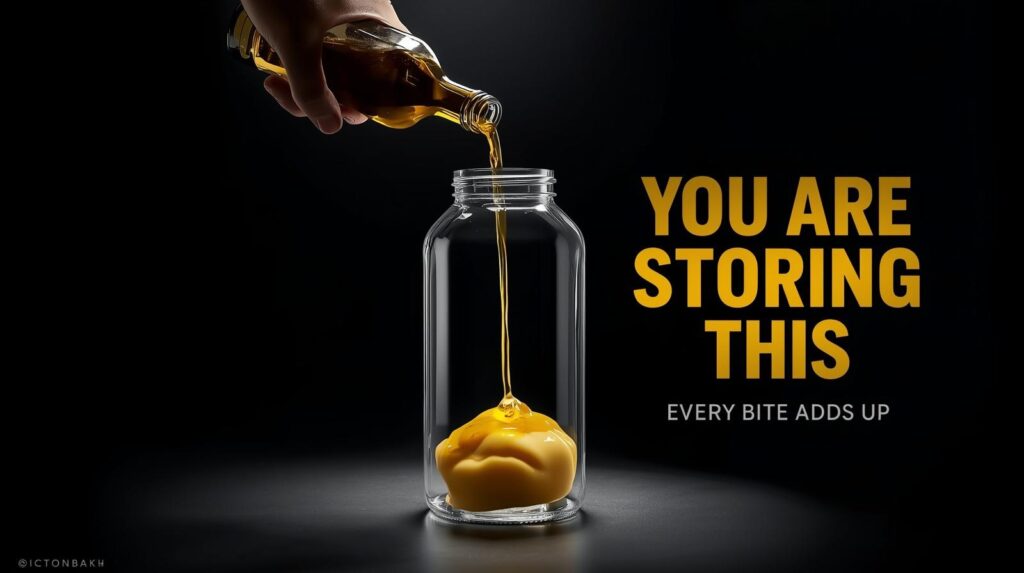
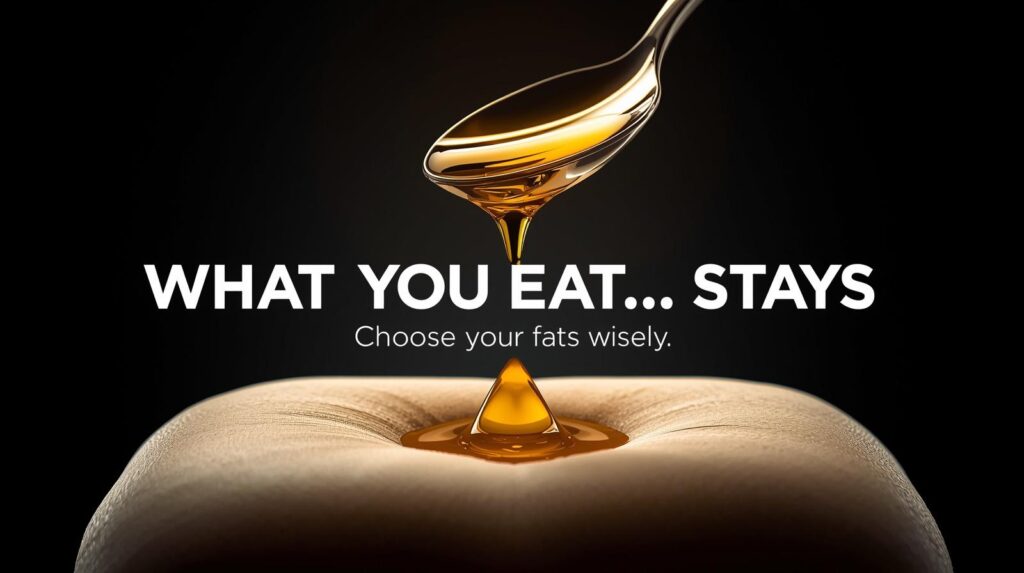
The difference between dietary fat and body fat is basically the excess fat that is stored in our bodies. Basically, what we eat, if it cannot be utilized as energy, gets stored in our body.
Now, the fat that is stored in the body will be used if there is a situation of starvation. This fat protects the organs of our body. It actually stays under our skin; it actually protects us from the cold.
It is now believed that the type of fat you consume is not always beneficial. They are dietary fats; they have different components, so you always have to choose the right type of fat so they nourish your body without causing harm.
Science believes that a certain amount of fat is really necessary for our survival, necessary for our health. So it is only true that if the amount of fat inside our body is high, then we will be afraid of having many chronic health conditions.
Now the question is
Should you reduce all fat at all?
That’s not very easy because if you separate one macronutrient, then you will increase the other two. Let’s say if you separate fat, then you will increase carbohydrates and proteins. If you decrease carbohydrates, then you will increase fat.
In fact, it is believed that it is the balance. between the carbohydrate, protein, and fat, which make you healthy, so it is not really possible to stop anyone completely
Now, How Much Fat Should You Consume?
Now you really need to take all the foods in moderation.
You need carbohydrates, you need protein, and you need fats. You need healthy fats in your diet. And this combination really keeps your body healthy.
- And if you consume fat for protein, then you need to calculate it carefully. Because science believes that approximately 30% of your total calories that you consume should come from fat.
- You should be careful; whatever fat you use, which is saturated fat, should not be more than 10 percent under any condition.
- Whatever fat you use, it should not contain trans fat at all. You need to turn it off completely.
Have you ever heard that I don’t do well with fat, or that a diet rich in fats makes me fatter?
So, there might be a reason. Now look carefully at this combination of the types of fats that ultimately end up in our bodies.
When you’re on a high-fat, low-carb diet, all is well. But the problem starts when people may start doing a higher-healthy-carb diet, a plant-based diet where they’re getting high healthy carbs, but they’re still eating high fat. So, high fat and high carb together… Absolutely not.
It’s called the Randall cycle, meaning that if you put high fat and high carbs together, even if they’re healthy, what happens is you tend not to burn the fat, and then fat could work against you, and you’ll tend to burn the carbs.
Dietary fat has different components, so you always have to choose the right type of fat to eat without harming your body. Now, there are some facts that you need to remember.
So the reputation is so negative that you should not eat fat, but this is not the truth. Certain fats are needed and are very good.
Why Fat Intake Matters
The biggest problem here is that if we look at the caloric value,
- Protein has 4 calories per gram.
- Carbohydrates have 4 calories per gram.
- Fat, on the other hand, actually has 9 calories per gram.
Look here:
- If you ate 15 grams of carbohydrates, you got 60 calories.
- If you ate 15 grams of protein, then you got 60 calories.
- But if you ate 15 grams of fat, then you got 135 calories.
That’s more than double the calories from the same amount of food.
What does this mean for fat loss?
You don’t need to follow strict diets or cut out foods completely. But since fat is more calorie-dense, even small amounts can quickly increase your total calorie intake.
So a certain amount is needed, but a higher amount is troublesome.
There are four types of fats.
These terms are types of dietary fats, classified based on their chemical structure. They all provide energy, but they affect your body differently.
- Saturated Fat
- Trans Fats
- Monounsaturated fats (MUFA)
- Polyunsaturated Fats (PUFA)
Saturated Fat
If we try to define and identify the different types of fats, the number one is saturated fat. It Should be limited in most healthy diets
Where do we get saturated fat from?
Most animal sources, whether we eat beef, mutton, pork, butter, cheese, lard, or cream,
Coconut oil has a lot of saturated fat in it. Like palm oil, it has a lot of saturated fat.
Saturated fat becomes solid at room temperature, like ghee and butter.
If you take more saturated fat, then the amount of cholesterol or bad cholesterol in your body increases.
Trans Fats
It is mostly found in cakes, crackers, fries, fried fast food, and commercial baked goods (pizza dough, biscuits, and pies) and snack foods (microwaved popcorn, potato chips, and crackers).
The processed foods we consume contain trans fats that are not saturated. It is basically manufactured; it is not a natural fat.
That is, they are always solid at room temperature. Trans fats are actually manufactured through the process of hydrogenation.
There are always two types. One is the hydrogenated one, and the second one is the partially hydrogenated one.
But both of them are equally dangerous. This is what you used to see as vegetation. In fact, if you look carefully at all the items we see, they are actually loaded with trans fats in bulk, and it doesn’t do you any good.
In fact, they give you a lot of problems; they give you a lot of diseases
MonoUnsaturated fats MUFA
This is known as MUFA. These basically come in the category of good fat.
They are found in plant-based sources like olive oil, canola oil, and sunflower oil; nuts like almonds, hazelnuts, and cashews; seeds like olives, pumpkin seeds, and sesame seeds; and avocados.
Monounsaturated fats are always liquid at room temperature.
MUFAs are considered very beneficial because they have the power to reduce our bad cholesterol.
It is believed that if you use MUFA in the right amount, then it is very beneficial for your heart and other things.
Polyunsaturated fats PUFA
The third one is the polyunsaturated fat. Include essential fats (like omega-3 and omega-6) that your body cannot make. Omega-3 and Omega-6 are basically the PUFAs. So it is very important in our diet.
They have several health benefits. It is found in fish, nuts, seeds, and vegetable oils.
Salmon, mackerel, flaxseed, walnuts, and soybean oil are some examples of this fat.
Science believes that out of the total calories you take, about 10% should be MUFA or polyunsaturated fats.
Well-designed studies have investigated the effect of covert manipulation of the fat content of foods on total energy consumption. Short-term consumption (14 days to 12 weeks) of reduced-fat diets decreases calorie intake and/or body weight. The weight of food consumed is frequently maintained or slightly increased when dietary fat content is drastically reduced. (Source 51. Lissner L)
The Truth About Fat: Facts You Need to Know Before You Cut It Out”
- There is overwhelming evidence that reductions in saturated fat, dietary cholesterol, and weight offer the most effective dietary strategies for reducing total cholesterol, obesity, and heart disease.
- Decreases in saturated fat should come at the expense of total fat because there is no biological requirement for saturated fat, as essential fatty acids can be adequately derived from unsaturated sources.
- Growing children, pregnant women, lactating women, and the elderly have special needs for essential fatty acids
- A certain amount of fat is actually essential for our survival and better health. But it is true that if the amount of fat inside our body is high, then we will be afraid of having many chronic health conditions, particularly diabetes, hypertension, and heart disease.
- Our body actually uses three macronutrients. Fat, protein, and carbohydrates. If you cut out fat completely, you will eat more carbohydrates and protein.
- If both of them are eaten in excess, then ultimately they will also be stored and become fat. So even if you overeat carbs and proteins, your fat will increase, and your body weight will increase.
Research-based evidence:
- American Heart Association: recommends consumption of fats to an 30% of daily calorie intake
- These recommendations translate into 67g of fat for inactive or small individuals and 100g for active or large individuals.
- In Japan, current fat consumption is now 20% of calorie intake. Increased dietary fat may be contributing to the increased incidence of certain cancers in Japan.
- According to the studies, an individualized dietary approach that emphasizes carbohydrate restriction over fat restriction, the substitution of SFAs (Saturated Fatty Acids) with MUFAs (Monounsaturated Fatty Acids) and PUFAs (Polyunsaturated Fatty Acids), is a key factor for optimizing diabetes management.