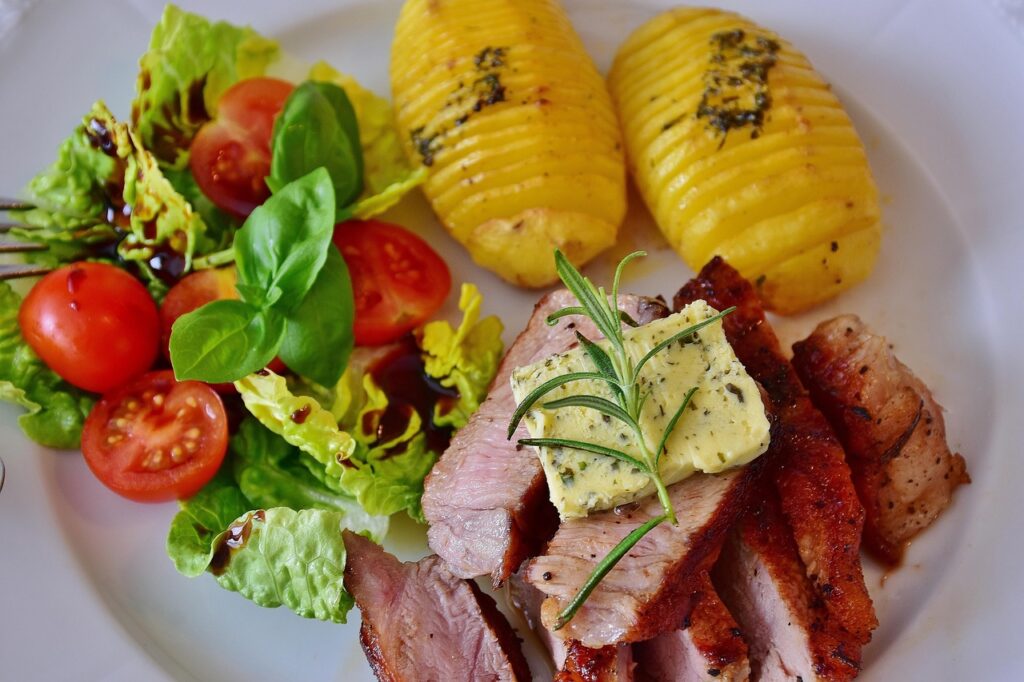
Low Carb Diet
It’s a type of eating plan that restricts carbohydrate intake to promote weight loss and improve overall health. Generally speaking, a low-carb diet involves reducing intake of foods such as bread, pasta, rice, and sugary snacks, while increasing the consumption of foods like meat, fish, eggs, nuts, and non-starchy vegetables.
Research-based suggestion….
Dietary Guidelines for Americans (DGA) recommend that
- Carbohydrates: The current carbohydrate intake range allowed by the DGA is 45 to 65 percent of total daily calorie intake
- Low-carbohydrate consumption was reduced to less than 45% of total calorie intake.
American Diabetes Association (ADA)
The ADA consensus statement defines
- Low-carb diet: daily consumption of 26–45% of total calories from carbohydrate sources
- Very low carbohydrate diet (VLCD): consuming less than 26% of calories as carbohydrates
- LCD allows approximately 150 g of carbohydrates per day.
- Ketogenic diets prescribed allow only 20–50 grams of carbohydrates per day
- The more restrictive diets allow less than 20 g of non-fiber carbohydrates per day
Dietary recommendations:
- If a person wants to keep their glucose lower, the key is not to consume as much glucose, in other words, carbs.
- Carbs are an essential energy source, but if a person consumes more than they require, the body stores them as fat.
- The key factor is limiting foods that contain fast-absorbing glucose, which can raise and trigger a stronger insulin response.
- The fiber has complex carbohydrates that are absorbed slowly in the gut. If your diet is high in fiber, your fiber should come from whole plants.
- to replace highly processed carbohydrates with unprocessed carbohydrates
- Limiting added sugars in the diet.
- Consume a moderate carbohydrate diet that consists of a fixed proportion of calories derived from the three main macronutrients, carbohydrate, fat, and protein.
Low-carbohydrate consumption is the focus of several popular diets such as Atkins Diet, the Zone Diet, the South Beach Diet and the ketogenic diet.
But while we do want to keep the carbs under control, is that really what we’re looking for?
Well, what we are looking for is what we can sustain in the long run, and that is the insulin response. And as we all know, carbs are not the only food that will trigger insulin. Protein and fat also trigger a little bit of insulin.
The Science Behind Insulin Response and Low-Carb Diets
The body derives fuel from glucose, and glucose production depends on carbohydrate intake.
The fuel that the human body takes for energy comes from carbohydrates, such as glucose.
When a person is on a low-carbohydrate or very low-carbohydrate diet, carbohydrate intake is very low; consequently, the body may not have sufficient energy, so it takes that energy from fats.
Either those fats are stored in the human body, or when a person reduces carbohydrates in their diet and increases fats, which is mostly called the keto diet, their body takes fuel from those fats.
When we do not consume more carbohydrates, our body’s glucose level decreases. For this reason, our body fills up the energy it has with fats that are already stored in our body. This is why this low-carb diet is good for us and helps us lose weight.
So we have to understand a little bit more about the food that we choose than just the carbohydrates.
So what do we have to do?
- You need to reduce carbohydrates.
- You need to increase your intake of lean protein.
- You need to increase your intake of healthy fats.
- And you need to increase your intake of vegetables.
WHY???
- Because carbs turn into glucose, and glucose raises blood sugar, it does it as soon as you put the food in your mouth because your body senses that sweetness.
- Protein has amino acids that can turn into carbs, into glucose, but it does it much, much slower. When you eat them, your feeling of fullness lasts longer. Your satiety lasts longer. And they have the power to satisfy your hunger.
- Fat contains something called glycerol that can also turn into a little bit of glucose, but it does it super slow and it does it much later.
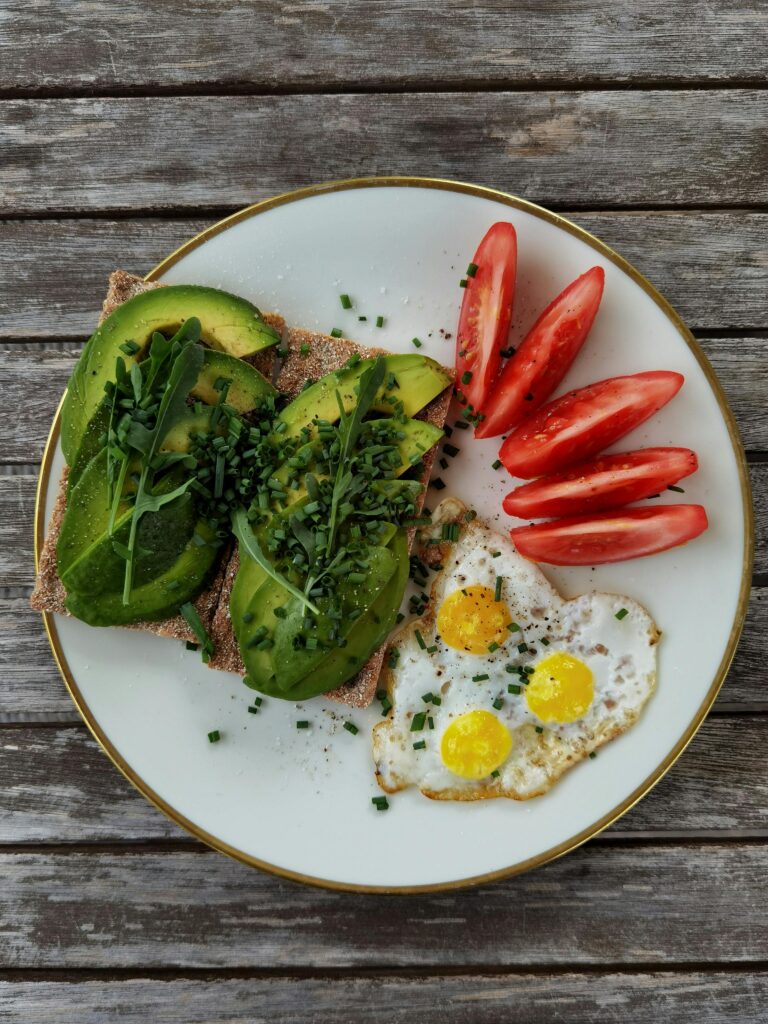
WHY a Low-Carb Diet
Because it’s easy to stick to that…
And the reason behind it is that the two barriers to any diet are craving and hunger, and both of them go away with a low-carb diet
If a person follows a low-calorie or high-carbohydrate diet, they’re likely to crave and find it hard to stick to in the long term.
There is a perception that it is unhealthy because people are omitting a food group. But omitting those groups that are not healthy is a good choice, and that is omitting breads, pasta, cereal, crackers, biscuits, waffles, pancakes—
The goal of the very low-carbohydrate diet is to induce nutritional ketosis.
What are the best low-carb foods to get healthy and reach your goals?
“The most effective low-carbohydrate foods are those that are a combination of healthy fats and higher in protein while keeping carbohydrate intake low.”
A diet that’s high in protein
- It should be a fatty protein, and this should include meat, chicken, fish, eggs, cheese, yogurt, tofu, or soybeans.
- If they’re meats in which the amount of genetic fat or skin has been removed, those meats can also be included.
Healthy Fats
Healthy fats are liquid at room temperature. Our body needs some healthy fats from food, as they are a major source of energy
What does it do?
- helps your body to absorb some minerals and vitamins, and helps maintain healthy skin
- It is essential for muscle movement, inflammation,
- essential for cardiovascular health, reduces bad cholesterol (LDL), and supports brain function.
Are all fats healthy?
The answer is no…
Not all fats are good for your health.
Polyunsaturated and monounsaturated fats are very good for health.
Trans fats/industrial fats can be very harmful to health.
Saturated fats are good for health to some extent.
Sources of Healthy Fats Are:
- Many seeds, like pumpkin seeds and sunflower seeds, sesame, avocados, olives, olive oil, and sunflower oil, are good sources of monounsaturated fats.
- Fish or seafood like salmon, mackerel, or trout; these varieties of fish contain healthy fats in good quantities. They contain omega-3 in good quantity. (Omega-3 is a type of polyunsaturated fat.)
- Nuts, walnuts, almonds, or Brazil nuts—you get the right amount of polyunsaturated fats in all of these
- Oils (soybean, corn, sunflower, and flaxseed oil), nuts (walnuts, flaxseeds, and chia seeds), and fish (salmon, mackerel, sardines, and tuna) are good sources of polyunsaturated fats
With this good quantity of protein and fat-rich food, a person feels less hungry, and they remain satiated for a longer time due to all these healthy fats.
Overconsumption of refined table sugar has been suspected to be the driver of the obesity and diabetes epidemic worldwide.
Insulin and its relationship with macronutrients (Fats, carbohydrates, and Protein)
- When you consume a carbohydrate meal, your body breaks the carbs down into glucose and then has to increase insulin to absorb all that glucose.
- For this reason, with a high-carbohydrate meal, the glucose in the bloodstream goes up significantly to cause a spike, as we call it, and then with the release of insulin, the glucose will drop significantly as insulin allows the glucose to go into the liver cells.
- Insulin is the hormone that tells your body to store all the glucose in the liver and to store the energy that you have just eaten as fat.
- If you’re not eating and are in the fasted state, such as when you’re up in the morning, insulin levels are very low, which tells your body to burn the stored sugar in the liver and ultimately then burn fat.
- When you eat a meal with fat or a high amount of fat, the glucose in the bloodstream does not go up very much, and thus insulin does not go up that much either.
- If you eat a high-protein meal, there’s a mid-range rise in glucose and insulin.

What to avoid
Overall, when you eat whole foods, you need to reduce your carbohydrate intake overall.
- Eliminate sugar: the cakes, pastries, fruit juices, chocolates, and candies. Bakery items and tindies you eat are all loaded with sugar. There are artificial sugar These need to be eliminated.
- Eliminate refined carbohydrates: All white bread, pasta, nussli, porridge, and buns need to be significantly reduced or eliminated. Breakfast cereals, white rice, and all things made from refined flour are all refined carbohydrates.
- Complex carbohydrates need to be moderated: they are essential for the body, but even in these, you need to look at some things very carefully. Starch is a complex carbohydrate, like brown rice or whole wheat bread
Conclusion:
- Getting rid of all the added sugar and refined grain and replacing that with whole foods—that means beans, vegetables, nuts and seeds, legumes, fruits, etc.
Pingback: Whats better for losing weight: A low-carb diet or a low-fat diet - Bestselling Author