What is better for losing weight: a low-carb diet or a low-fat diet
This debate must have been heard a lot: Which of the two is effective or proven to be right for losing weight, the low-carb diet or the low-fat diet?
There has been a lot of research on this, and many experts have expressed their opinions. If you look at the research, no specific conclusion has been found yet because it depends on your body’s needs, your body’s physique, and how your body responds to different types of diets.
The conclusion is that whether it is a low-fat or low-carb diet, the basic principle is that a person has to control calories, and when reducing them, it is necessary to minimize them.
According to the great researcher Christopher Gardner’s recent study on the great low-carb vs. low-fat Debate and
What he found is that
There was a low-fat genotype and a low-carb genotype. High percentages of people fell into both categories, not predictive at all of who was more or less successful on either diet. Certain people, when they eliminate a set of foods, are satisfied, satiated, and have found a way that works for them. Then they say, “This diet is amazing, and this is the way.” “And when other people try it, it doesn’t work for them. But when they try another way, it works for them.
And that’s because they have different preferences, cultural differences, or other reasons like health issues or different physical requirements. There are lots of different things that work. There isn’t one way.
So it tends to be that both of them would be fine. Because a person may enjoy one type more than the other.
But neither of them seems to be the best way compared to the other one, as long as they’re both good-quality diets and a person focuses on good-quality food choices.
If you study all the very popular diets, there are three things in common. The three factors that you will come across again and again are
- to get rid of sugar and
- to get rid of refined carbohydrates and
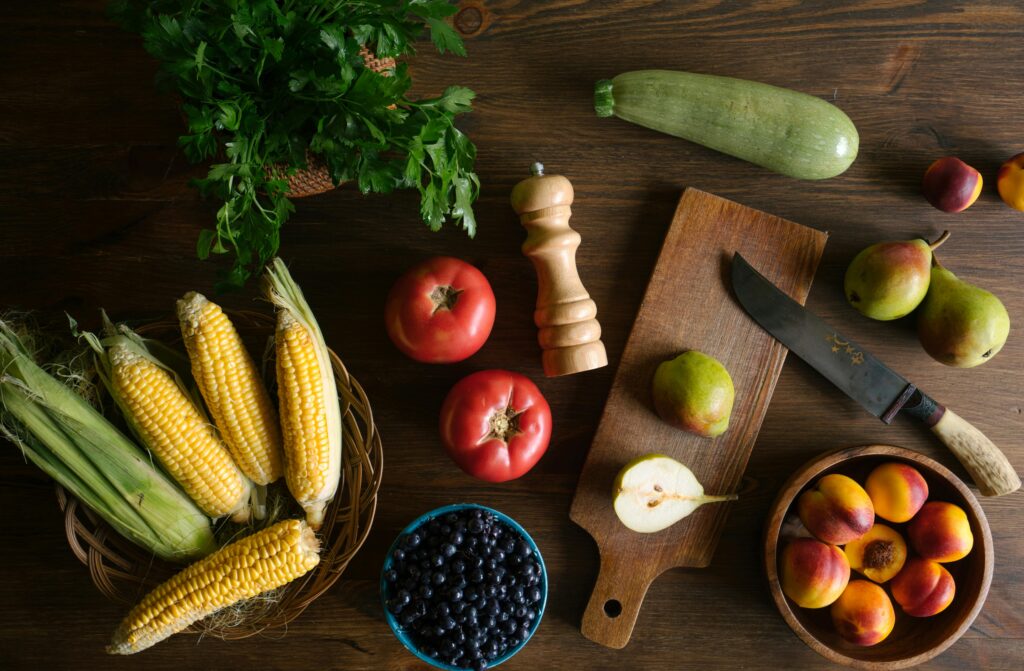
- Eat as many vegetables as you can.
All of these are huge, unimaginable challenges you will find in many popular global diets.
According to Christopher’s gardener’s
And we’ve been looking for personal differences where we could personalize the diet and say, oh, you should be low carb and you should be low fat, but what happened in our studies was when we focused on making a very high-quality low-carbohydrate diet and a high-quality low-fat diet, they were equal.
What he recommends
Depending on how you choose to define low-fat or low-carb in terms of
- food choices and
- food patterns
If you made it a healthy low-carb with healthy unsaturated fat, and if you made it a healthy low-fat without the added sugar and refined grain, the differences between them tend to go away, and so it tends to be both low-carb with healthy unsaturated fat

ResearchTrusted Source shows that lowering carb intake can lead to weight loss. However, a low-carb diet is not a one-size-fits-all means of weight loss and may not be suitable for everyone.
However, this does not mean a person necessarily needs to reduce the overall volume of their meals. To ensure they meet their calorie and nutrition needs.
People can prioritize low-carb and low-fat foods such as the following:
Lean meats
- are types and cuts of meat that have less fat.
- It has proportionately more protein and less fat than some other meats.
- Swapping fatty meat for lean meat is very helpful in improving health
- Swapping it with fatty meat can help someone keep their saturated fat intake within guidelines
- It also reduces their risk of chronic disease.
The best types of lean meat are:
- Skinless chicken and turkey not containing visible fat
- lean ground turkey or chicken
- Skinless poultry, beef sirloin, and 95% lean ground beef are also healthier choices.
fish
- contains high levels of nutrients and protein
- Adding fish to the diet can lead to weight loss.
- It has less cholesterol and saturated fat than meat
- It contains omega-3 fatty acids, which help prevent cardiovascular disease.
- It provides vitamins and minerals, including B vitamins, zinc, and iron.
The best types of fish to eat are
- Salmon:
- Tuna:
- Trout
- Mackeral:
- Cod
- Sardines
- Herring
- Halibut
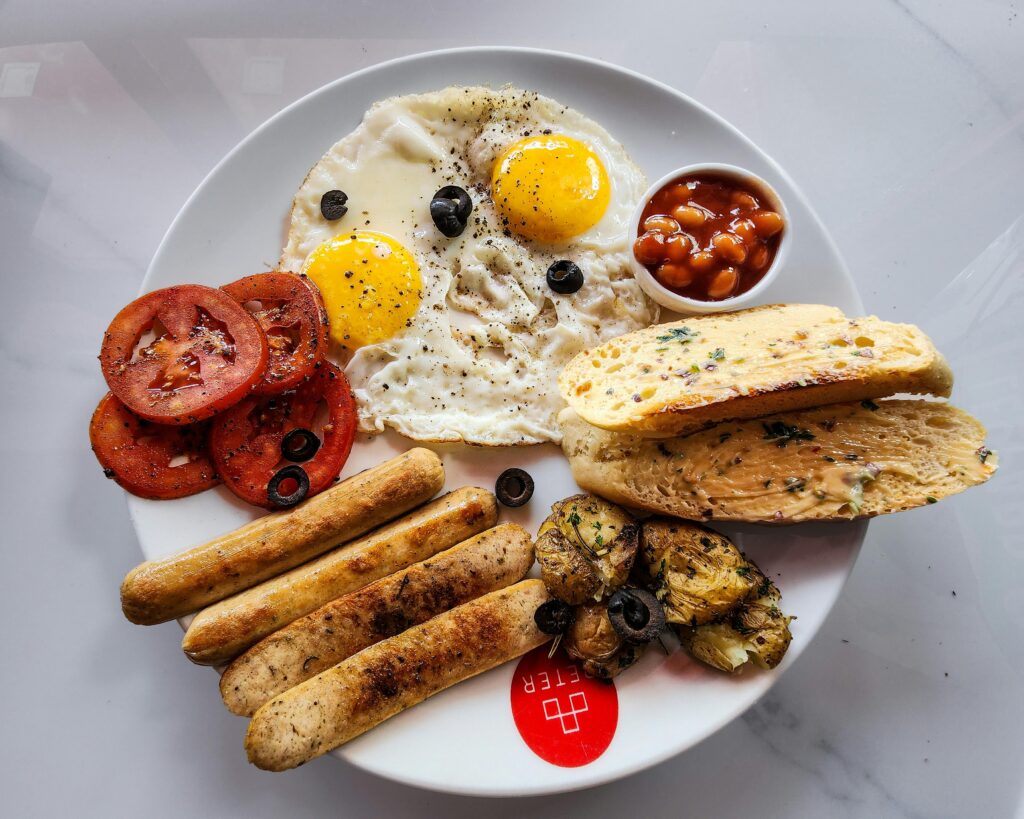
eggs
- good source of protein (helps maintain and repair body tissues) and vitamins
- It contains several vitamins and minerals that are essential parts of a healthy diet.
- Most of the fats in eggs are unsaturated.
leafy green vegetables
- They are typically rich in nutrients and fiber
- They are low in calories and fat
- Best examples are bok choy, spinach, broccoli, cabbage, watercress, kale, lettuce, etc.
nuts and seeds
- Nuts are the best sources of plant-based proteins.
- The diet rich in nuts helps in reducing inflammation and chronic diseases.
low-carb fruits and vegetables
- Watermelon
- Strawberries
- Cantaloupe
- Avocados
- Honeydew
- Peaches
- Cucumbers
- Iceberg lettuce
- Celery
- White mushrooms
- Spinach
- Swiss chard
Unsweetened dairy products, including plain whole milk and plain Greek yogurt, are also good sources