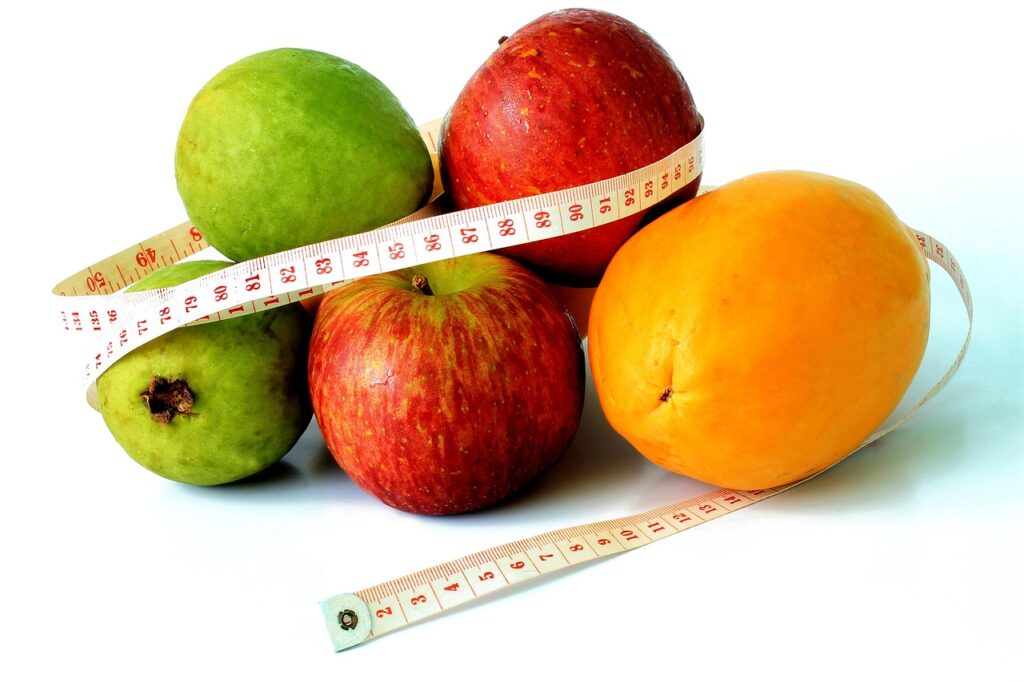

Is it possible to maintain weight loss in the long term?
Many people are able to lose weight, but maintaining that weight loss over time often becomes a major challenge. Even slight carelessness can lead to weight regain.
Optimal diets for weight management have been a topic of debate not only among researchers, nutrition experts, and healthcare professionals, but also among the general public.
The perception that almost no one succeeds in maintaining weight loss over the long term has been proven wrong.
Research conducted by various experts shows that when a person loses weight to a healthy level and maintains it for two to three years or longer, it becomes truly effective and provides long-term health benefits.
Key component of diet for weight loss maintenance
Weight loss and its maintenance require evidence-based dietary strategies.
The key component of diets for weight loss and weight-loss maintenance is an energy deficit. Weight-loss maintenance requires a sustained low-calorie diet
Factors on which weight management depends
- amount of food intake,
- type of food eaten, and
- timing of meals consumption
Amount of Food Intake
The research shows that reductions in calorie intake were the primary driver of weight loss.
Low-calorie diet
Low-calorie diets typically restrict fats or carbohydrates.
Reducing daily calorie intake is the most important factor for weight loss.
A low-calorie diet involves the consumption of 1,000–1,500 calories per day.
Under the “calories-in, calories-out” model, dietary management has focused on the concept of “eat less, move more.” People have been advised to consider and calculate their calorie balance whenever they eat.
Deficits of 500–750 calories per day have been used for weight loss and are recommended by many obesity societies and guidelines.
Weight loss maintenance requires
Weight-loss maintenance requires a sustained low-calorie diet.
Both approaches, whether they are low-carb diets or low-fat diets, lead to weight loss, indicating that calorie control matters more than whether fat or carbohydrates are restricted.
Low-calorie recipes, especially those for low-fat or low-carbohydrate diets, have been suggested as the first dietary strategy.
Types of Food Eaten
Paying attention to what we eat and the nutritional composition of our meals can make a significant difference in controlling body weight.
Low-fat diet
The strategy of reducing total fat intake is widely used for weight loss because a single gram of fat contains more calories than a gram of carbohydrates or protein.
Fat is a very essential macronutrient that is required by the body
Fat, being an energy-dense food, contributes to excess calorie ingestion as compared to other foods.
Dietary fats give you nutrients needed for your health. Healthy fats support brain and nerve function, support heart health, and can lower chronic inflammation.
But consuming large amounts of energy-dense foods with a high saturated fatty acid content is associated with obesity and low-grade chronic inflammation.
Low-fat diets are diets in which 30% or less of the calories come from fat.
A general rule is that if a food provides 100 calories and it has 3 grams or less of fat, then it is a low-fat food
If you are on a low-fat diet, talk to your dietitian or healthcare team about how much fat you should eat each day
A diet low in saturated fatty acids, as well as one supplemented with good-quality fat and fiber, is a reliable and healthy strategy for people with obesity to achieve weight management.
Note: Saturated fatty acids are usually found in animal products, butter, red meat, dairy products, cheese, and in some plant oils like coconut oil, palm oil, etc.
Common examples of low-saturated foods include vegetables, fruits, whole-grain cereals, egg whites, chicken and turkey breast without skin, beans, lentils, peas, seafood, and low-fat dairy, among others.
The main types of dietary fats are 4 types of fats
Trans fat
- Trans fat is the most harmful type of dietary fat.
- It is commonly found in processed, fried, and commercially baked foods.
- Trans fats promote inflammation in the body and have a strong negative impact on cholesterol levels.
- Regular consumption increases harmful LDL (“bad”) cholesterol and lowers protective HDL (“good”) cholesterol, significantly raising the risk of heart disease.
- An article published by Harvard Medical School mentions that…for every 2% of calories from trans fat consumed daily, the risk of heart disease rises by 23%.
Saturated fats
- Saturated fat is primarily found in red meat, whole milk, and other full-fat dairy products, cheese, coconut oil, and many commercially baked or processed foods.
- Consuming foods high in saturated fat can raise your total cholesterol and significantly increase harmful LDL (“bad”) cholesterol, which can contribute to the development of heart disease.
- Some studies suggest that replacing saturated fats with polyunsaturated fats—found in foods like nuts, seeds, fatty fish, and vegetable oils—can significantly reduce the risk of heart disease.
monounsaturated fat
- Monounsaturated fats are a type of healthy fat that helps lower harmful LDL (“bad”) cholesterol and support overall heart and metabolic health.
- These fats are essential for maintaining a healthy cardiovascular system.
- Good sources of monounsaturated fats include: Olive oil, Peanut oil, Canola oil, Avocados, Most nuts (like almonds and cashews), sunflower seeds, and oils
- Research, including the Seventh Country Study (1960s), observed populations in the Mediterranean region. Despite consuming a relatively high-fat diet, these populations had low rates of heart disease. The key factor was their regular use of olive oil, which is rich in monounsaturated fats, demonstrating that not all fats are harmful and some are protective for heart health
Polyunsaturated Fat
- Polyunsaturated fats are another type of healthy fat that helps lower harmful LDL (“bad”) cholesterol and support overall heart health.
- These fats are essential for the body, meaning our bodies cannot produce them naturally, so we must obtain them through food sources.
- Good sources of polyunsaturated fats include: Sunflower oil, Coconut oil, Other plant-based oils, and seeds
- According to nutrition experts, replacing saturated fats with polyunsaturated fats can improve overall cholesterol profiles, enhance cardiovascular health, and reduce the risk of disease.
- Types of Polyunsaturated Fats: There are two main types of polyunsaturated fats: Omega-3 Fatty Acids—These are found in the following: Fatty fish (like salmon and mackerel), flaxseed and flaxseed oil, chia seeds, and walnuts. Omega-6 Fatty Acids—These are found in: Sunflower oil, Corn oil, Some nuts
Both types of polyunsaturated fats are essential for good health, helping to support heart function, reduce harmful cholesterol, and maintain overall body function.
Issues of Concern in Low-Fat Diets/Touting Product Labels
Promoting processed foods labeled as “low-fat” where they are replacing the fat with large amounts of refined carbohydrates.

Low-Carbohydrate diet (Does It Work?)
A critical question is which popular diet is the most effective for weight loss?
Some dieticians advocate that if a person reduces carbohydrate consumption, they will lose weight. Others argue that if a person places specific restrictions on certain macronutrients, it will lead to a reduction in total calorie intake. According to this view, these restrictions that lower your overall calorie intake are the main reason behind weight loss.
The three primary macronutrients are carbohydrates, proteins, and fats.
Diets in which carbohydrate intake is significantly higher than that of other macronutrients are not an optimal approach to weight loss and may even contribute to weight gain.
The science behind the low-carb diet
(Why Cutting Carbs May Help Control Hunger and Fat Storage)
- When a person consumes fats, their body produces little to no insulin response. When a person eats protein, the body shows a moderate insulin response. However, when you consume carbohydrates, the body produces a much higher insulin response.
- If a person consistently consumes carbohydrates, it continuously raises the level of insulin in their blood. As a result, the body directs excess carbohydrates into fat cells for storage.
- When fat cells store this excess energy, they stop releasing stored fat for energy. The brain may then interpret this situation as a signal that the body needs more food, making you feel hungry again.
- Because of this cycle, a person may start feeling hungry every few hours and eat repeatedly. Experts suggest that this repetitive eating pattern can be linked to frequent consumption of high-carbohydrate foods.
The key to losing weight
According to experts, the low-carb diet with moderate amounts of protein helps a person lose weight because it reduces cravings and hunger (because of low insulin levels) and makes them feel fuller (because of proteins) for longer.
A meal that’s relatively high in carbohydrates can often produce very high glucose levels, and this is a problem.
What this low-carb diet does is it is high in fat and protein, and that satiates your brain and reduces your hunger, and that is the key to this whole process, because if you can reduce your hunger, your calorie consumption goes down.
Some Other Low-Carb Diets
Atkins Diet
- emphasises higher protein intake
- extreme reduction in fat intake
- not really keen on vegetables
Ketogenic Diet
- It is characterized by an extreme reduction in carbohydrate intake.
- a relative increase in the proportions of protein and fat
We can simply improve that by just improving glucose control, and it seems obvious to all of us that changing diet is a fundamental part of improving the outcomes of people with obesity and diabetes.
Some Other Popular Diets Besides, low-carb diets and low-fat diets are
High Protein Diet:
- A high-protein diet refers to an increased protein intake to 30% of the total daily calories
- A high-protein diet has been popularized as a promising tool for weight loss because it improves satiety and decreases fat mass.
Dietary approaches to stop hypertension:
- This diet includes vegetables, fruits, and whole grains.
- It also emphasizes low-fat or non-fat dairy foods, pulses, nuts, seeds, lean meats, poultry, and seafood.
- The diet limits sodium intake to 2,300 mg/day and can reduce the risk of cancer.
Vegetarian Diet:
- Dietary guidelines recommend vegetarian-patterned diets.
- This diet excludes meat, fish, and poultry.
- There are many variations of the diet, including lactovegetarians and lacto-ovo-vegetarians.
Low glycemic index/glycemic load diet:
- A low-GI diet emphasizes exchanging high-GI foods for low-GI alternatives.
- Nothing is strictly forbidden with the low-GI diet, but high-GI foods such as white bread, bagels, cereals, mashed potatoes, pasta, and noodles should be replaced by low-GI foods.
Paleolithic:
- The Paleolithic (Paleo) diet is also known as the hunter-gatherer diet, or Stone Age diet.
- It emphasizes consuming lean meat, fish, vegetables, fruits, and nuts while avoiding grains, dairy products, processed foods, and added sugar and salt.
Nordic Diet:
- This diet recommends more calories from plant foods and fewer from meat and more foods from the sea, lakes, and the wild countryside.
- It is based on whole and minimally processed foods and is high in both fiber and omega-3 fats
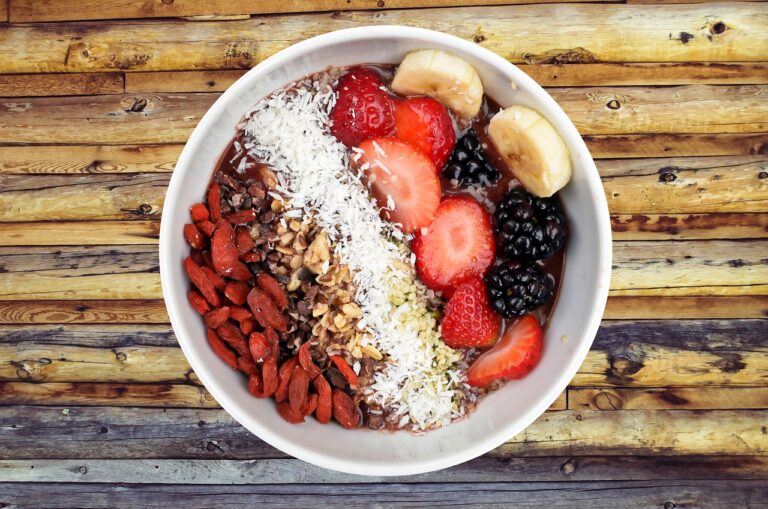
Timing of meal consumption
Meal timing is also an important factor in weight management
Eating food at the right time plays a very effective role in weight management
Having a low-carbohydrate breakfast that is higher in protein, eating dinner early in the evening, and allowing the body to undergo overnight fasting can be beneficial for weight management
Intermittent fasting
- Intermittent fasting involves regular periods with no or very limited calorie intake
- Intermittent fasting focuses on the time window of eating instead of calorie calculations.
- Expert reviews on intermittent fasting have suggested that, as a weight-loss strategy, it could benefit patients with obesity and has effects comparable to daily calorie restriction.
- The benefits of intermittent fasting come not only from a reduction in calorie intake but also from its effects on insulin resistance, strengthening the immune system.
Conclusion
Although it is clear that calorie restriction produces short-term weight loss, a growing body of research supports low-carbohydrate, high-fat dietary approaches for healthy weight management
Low-fat and low-carbohydrate diets are good options for initial weight loss; in some cases, a ketogenic diet could be a viable alternative. High-protein diets may be effective in weight loss maintenance, and the Mediterranean diet not only helps with weight loss maintenance but also aids in improving cardiovascular risk factors, cognitive functions, and mood.