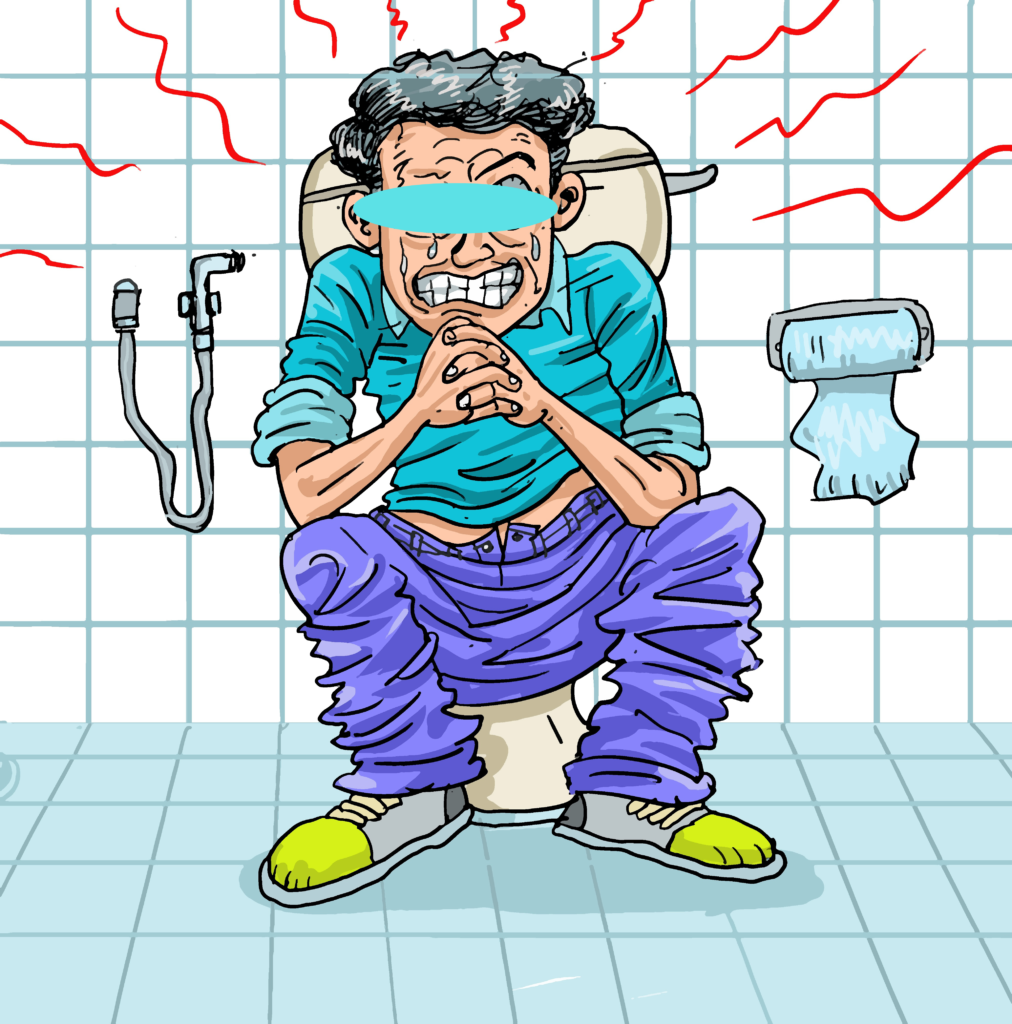
What is constipation?
Constipation can generally be defined as a condition where there is
- infrequent bowel movements or
- a decreased number of defecations (passing stool) or
- Difficulty in passing hard poop.
- have a sensation that the bowel is not completely emptied after using the toilet
According to the American College of Gastroenterology, “Constipation is often thought of as a decrease in the number of bowel movements/day. But this is not correct. If a person has three bowel movements each week and feels well, they are healthy.
Constipation can significantly impact an individual’s quality of life, and a person’s health may lead to various health complications.
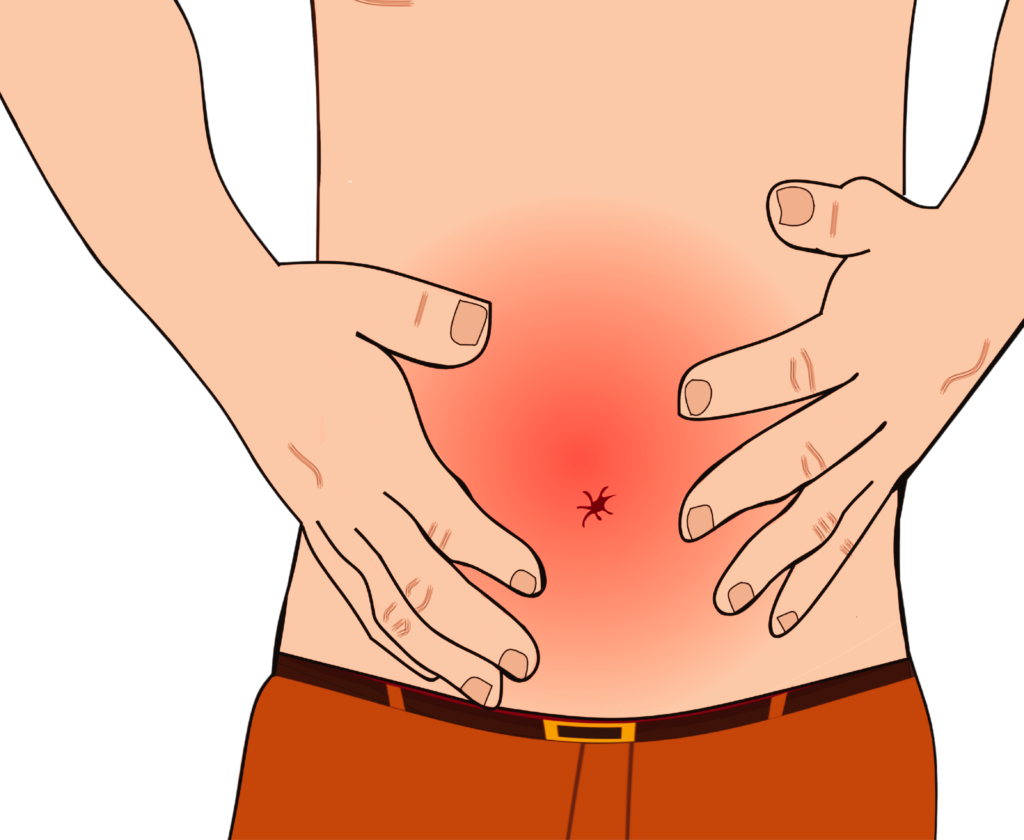
Causes of constipation:
Laxative overuse
When a person relies only on these medicines for relief of constipation, it can make a person dependent upon them.
Stress
Studies prove a connection between constipation and psychological factors. Constipated patients are more often observed with stress, anxiety, and depression.
Constipation is more common in adults and children with attention deficit disorders and autism
Less fluid intake
A diet too low in fluids can contribute to constipation. Your daily diet should include at least six to eight “servings” of water.
Less fibre intake
Increasing the intake of iron-rich food is considered a gentler alternative to using enemas and laxatives and is considered effective in relieving constipation.
Studies show that sometimes constipation gets worse with increasing intake of fiber.
Less physical activity
Regular exercise is necessary to promote normal muscle contractions in the bowel wall. According to a 2023 review published in the Journal of Rehabilitation Medicine, exercise appears to help relieve symptoms of constipation.
Rarely exercising puts a person at high risk of constipation. Studies have proven a correlation between greater physical activity and increased bowel movements.
Ignoring the urge.
If you have the urge to go to the toilet, go. If you hold in a bowel movement, you may eventually stop feeling the urge.
What are the symptoms of constipation?
- Difficulty in passing stool.
- Dry, hard, and/or lumpy stools.
- less than three bowel movements per week.
- Stomachache or cramps, bloating, and gas.
- Feel bloated and nauseated.
- Feel that the bowel hasn’t completely emptied after a movement.
Home remedy for constipation relief
I am 42, and I have been dealing with constipation since my teenage years. I know how uncomfortable and frustrating it can be. I have tried various medications, remedies, and other approaches. While many of these provided only temporary relief, the three remedies mentioned below have proven to be the most effective for me.
Over-the-counter medications may provide short-term relief, but their extended use may not offer any long-term or permanent solution, and there is also a risk that your body will become physically dependent on them.
After trying various remedies, these home remedies were very effective and worked well for me, and helped bring noticeable relief
Some recommendations for immediate constipation relief at home include:
Olive Oil and Black Pepper
- Take 7-8 black peppercorns and crush them lightly—do not grind them into a fine powder
- Take it with a glass of warm water.
- After 5 minutes, take one teaspoon of olive oil.
- Repeat this remedy twice a day, once in the morning and once in the evening.
This remedy is very effective and gives me noticeable relief.
Once the problem subsides, you can reduce the frequency to once a day.
Even if the constipation is not severe, using it twice a week can help maintain healthy digestion, as all the ingredients are natural and very good for gut health.
Honey and Lemon water
- 1 Tbsp of raw honey
- 1 lemon
- Take a glass of warm water, put honey in it, and squeeze a lemon in it.
- Mix them well.
- Take it on an empty stomach in the morning.
After 15-20 minutes, you may start to feel gentle pressure in your stomach and an urge to visit the toilet.
Make it a habit to take this remedy every morning, and you will notice visible results.
Beetroot & Carrot Drink (Kanji)
- Take 1 beetroot and 1 carrot
- 1 Tbsp of mustard seeds
- 1/2 tsp of pink salt (optional)
- A glass jar that can hold 5-6 or more glasses of water
Take beetroot and carrot, cut them into small pieces, and do not peel them.
Add chopped beetroot and carrot to a jar of warm water, then add mustard seeds and pink salt.
Place the jar in the sunlight for up to three days to ferment.
This will allow the nutrients to infuse into the water.
After 3 days, your drink is ready. The taste of this drink may not be very pleasant, but you will get used to it.
When the drink starts to have a slightly sour taste, it indicates that it has fermented well and is ready to use.
Take 1-2 glasses of this water daily.
You can use it at any time of the day.
Once the kanji (beetroot and carrot drink) is ready, transfer it to another jar.
Prepare another drink, repeating the same procedure in the original jar. This way, when one batch is finished, the next one will be ready.
This remedy is very effective; once you use it regularly, you will notice clear results.
It is gentle enough to be given to teenage children as well.
My bowel movements are now regular. And my overall well-being has improved significantly. I encourage you to try these remedies—you will notice visible results and experience the same relief. I did.
DISCLAIMER
No content on this site, regardless of date, should ever be used as a substitute for direct medical advice from your doctor or other qualified clinician.