What is exfoliation?
Exfoliation is the process of removing dead skin cells from the surface of your skin. Over time, what happens as skin matures is that the very top layer of the skin begins to build layer after layer of dead skin cells. Our skin naturally sheds these cells, but sometimes they don’t fall off properly and start to build up, which causes the skin to look dull and rough.
Why does our skin need exfoliation?
A very important basic part of managing aging is skin exfoliation.
There are a lot of things that happen to our skin: it loses collagen, there’s an increase in pigment, it becomes filled with fine lines and wrinkles, and becomes dry.
What you need to do physically in this skin that begins to mature a little bit and build up that layer is you need to physically remove that layer, which is called exfoliation.
You’re exfoliating, which is the removal of the dead skin cells or dead layer, so that you can get to that glistening, bright layer, and it can help in making the skin fresher and rejuvenated.
So there are things you can do at home to keep that layer from building, and in that category, the entire space is called exfoliation
How to Exfoliate?
But remember, before you start exfoliating your skin, you need to understand your skin type and skin concerns properly.
First, clean your face properly, then apply a little bit of oil or Vaseline on the corners of your eyes, nose, and lips.
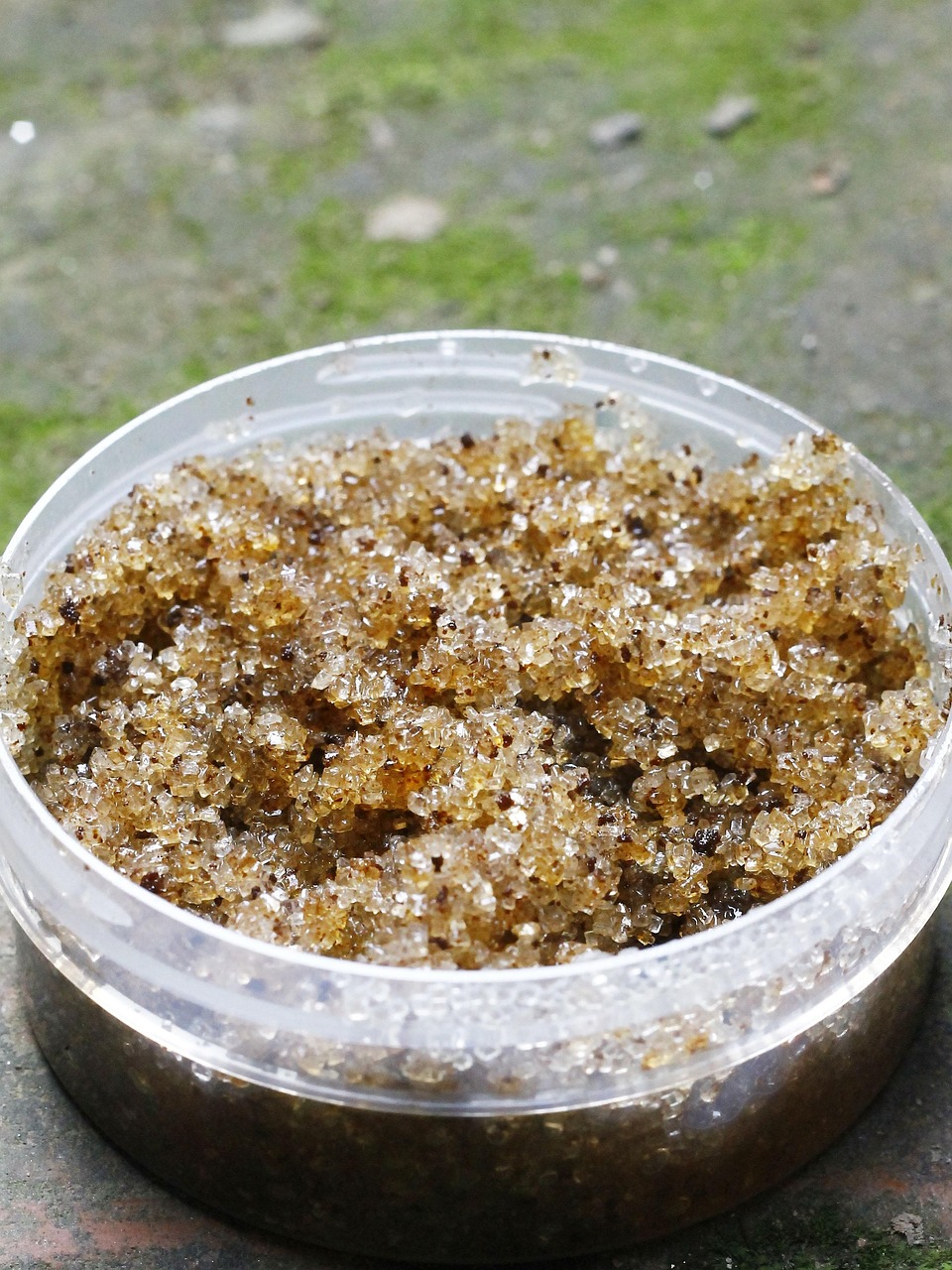
Exfoliator for dry skin (home remedy)
This scrub I prefer for those with slightly sensitive and dry skin, or those who cannot tolerate strong exfoliants or chemical-based products
This scrub will work well, as it contains the ingredients that will moisturize the skin and gently exfoliate without irritating the skin too much.
Ingredients:
Ground powder of almond/walnut, sandalwood powder, almond oil, and honey
Procedure: Take 1 tablespoon of sandalwood powder,
1 tablespoon of finely ground powder of almonds/walnuts
3 drops of almond oil/olive oil
1 teaspoon of honey
Mix it well and then apply it to the face and gently scrub in a circular motion.
If the mixture feels too thick, simply add a little rose water to adjust the consistency.
The scrubbing should be done for around 3-4 minutes, and then leave it for 10 minutes.
After 10 minutes, again do scrubbing for about a minute with damp fingers.
After that, remove it with a damp cloth or a damp cotton pad, then rinse it with water.
Lightly spray rose water over your face to refresh and soothe the skin.
After that, apply a good moisturizer on the face.
Exfoliator For oily skin (home remedy)
This scrub is preferred for oily, acne-prone skin and for those who develop whiteheads and blackheads.
This can really help in softening the blackheads and removing them gently.
Ingredients: lemon, phitakri (alum), ground coffee powder, honey, rice flour, coconut oil
Procedure: Take 1 tablespoon of rice flour,
1 tablespoon of coffee powder
1/2 teaspoon of alum powder
4-5 drops of lemon
1/2 tablespoon of honey
3-4 drops of coconut oil
Mix it well in a bowl, then apply it to a clean face (cleansing is very important before scrubbing). Gently scrub it in a circular motion.
If the mixture feels too thick, then add a little rose water to adjust the consistency.
Do the scrubbing for around 3-4 minutes, and then leave it for about 10 minutes.
Before removing again, do scrubbing for about 1-2 minutes with damp fingers.
you will feel the mixture rolling or flaking off the skin When this happens, it means the exfoliation process has started, and dead layers of skin are being gently removed from the skin’s surface.
After that, wipe it off with a damp cloth or a wet cotton pad. Then rinse it with water
Spray a little rose water on your face to refresh and soothe your skin.
Then apply a good moisturizer
It can make your skin appear younger, more even-toned, and brighter; it reduces the appearance of dark spots and pigmentation, and it also improves the appearance of acne scars and improves your overall skin texture, but you need to do it correctly and gently.
Who should not exfoliate?
If you have sensitive skin, skin that reacts very quickly with redness, itching, or burning
If you have rosacea, eczema, or psoriasis
If you have skin with open pimples or severe breakouts, it can become more irritated or spread bacteria if exfoliated aggressively.
If you have broken or wounded skin
In all of these cases, it is recommended to avoid exfoliation to prevent further skin damage or irritation.
How often should you exfoliate?
If you have sensitive skin, exfoliate only once a week
For those who have normal skin, they can exfoliate twice a week
What are signs you are over-exfoliating?
If your skin is irritated, itchy, red, or dry or has a burning or stinging sensation, that means you are over-exfoliating.
Your skin should look fresh and not look dry or dehydrated when you’re exfoliating.
What can you do if you over-exfoliate your skin?
Whenever you over-exfoliate, try to focus on repairing the barrier by using a good moisturizer, which can help soothe the skin and reduce the irritation that occurs on the skin. Use a gentle homemade cleanser so this way you will be able to build your skin and repair the damaged skin.
Why does consistency matter in skin exfoliation?
So remember that whatever you end up doing, whether you go for an in-office skin exfoliating treatment, which can be a chemical peel or laser peel, or you do something at home—guess what?
If exfoliation isn’t done regularly or properly maintained,
It’s coming back…every day. These dead cells can build up again, leading to dullness, clogged pores, and uneven texture. It’s a part of ongoing skin care.
None of these things are permanent; it’s a maintenance type of thing, so get that concept in mind that this is an ongoing part of your skin care routine that you are going to have to do. To keep your skin smooth and clear, you need to exfoliate gently and continue taking consistent care of your skin over time.